
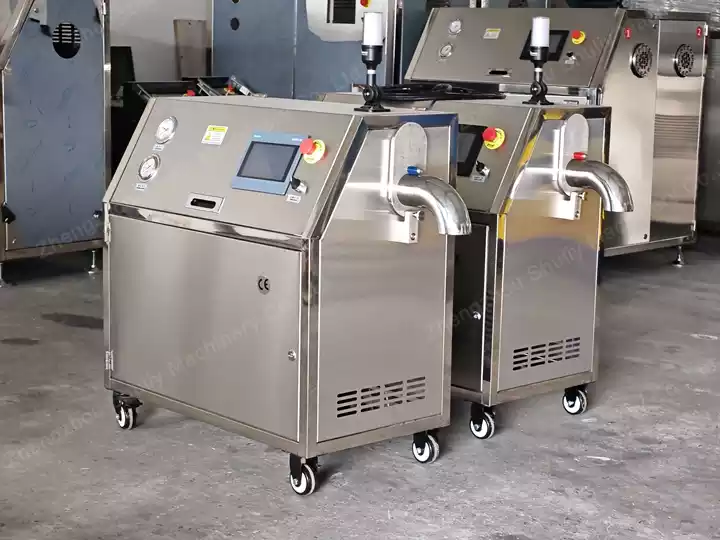
Dry ice is widely used in industries such as cold chain logistics, food preservation, and industrial cleaning. Understanding the dry ice production process: from CO₂ to high-density pellets is essential for businesses looking to enter or scale in this market. This guide explains each step clearly and helps you evaluate the right equipment for efficient production.
What Is Dry Ice and Why Is It Important?
Dry ice is the solid form of carbon dioxide (CO₂), with a temperature of -78.5°C (-109.3°F). Unlike regular ice, it sublimates directly into gas without leaving liquid residue, making it ideal for:
- Cold storage and transportation
- Dry ice blasting cleaning
- Food and pharmaceutical preservation
The demand for high-quality dry ice pellets continues to grow, especially for precision cleaning and logistics applications.
Dry Ice Production Process: Step-by-Step
1. CO₂ Gas Collection and Storage
The process begins with sourcing liquid CO₂, usually recovered as a byproduct from industrial processes such as ammonia production or fermentation. The CO₂ is stored under high pressure in liquid form.
2. Expansion and Snow Formation
Liquid CO₂ is released into a low-pressure chamber. During this rapid expansion:
- CO₂ temperature drops instantly
- A portion of CO₂ converts into dry ice snow
- The rest turns into gas and is recycled
This step is critical in the dry ice production process: from CO₂ to high-density pellets, as it determines raw material quality.
3. Compression into Pellets
The dry ice snow is then compressed using a dry ice pellet machine (pelletizer). Under high pressure:
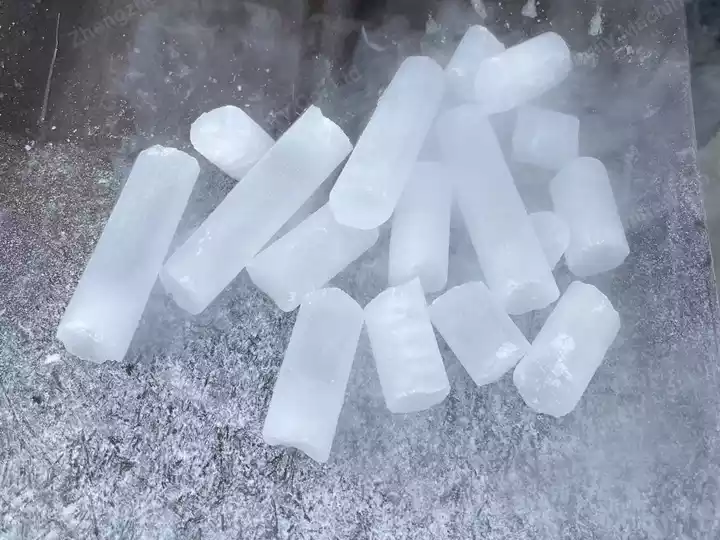
- Snow is compacted into dense pellets
- Different die sizes produce various pellet diameters (e.g., 3mm, 16mm)
- Density and hardness are increased for durability
High-density pellets are essential for efficient storage, transportation, and especially dry ice blasting applications.

4. Packaging and Storage
Once formed, dry ice pellets are:
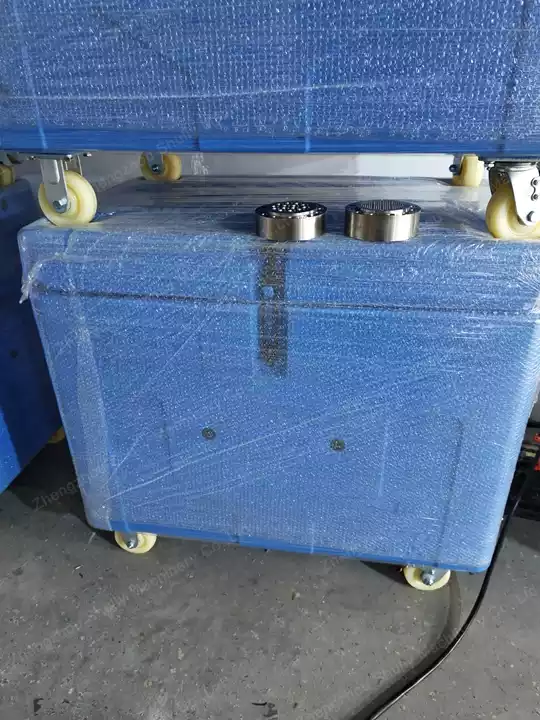
- Packed in insulated containers
- Stored in low-temperature environments
- Used quickly to minimize sublimation loss
Efficient packaging directly impacts product shelf life and customer satisfaction.
Key Equipment in Dry Ice Production
To achieve stable output and high pellet quality, businesses need:
- Liquid CO₂ storage tank
- CO₂ expansion chamber
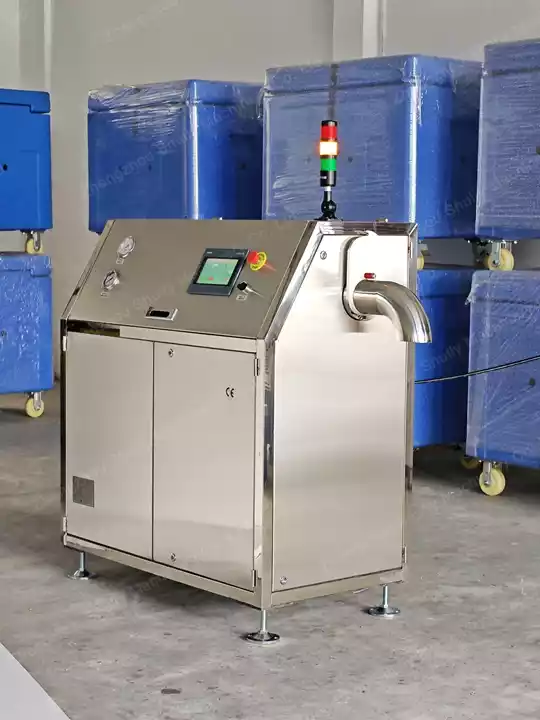
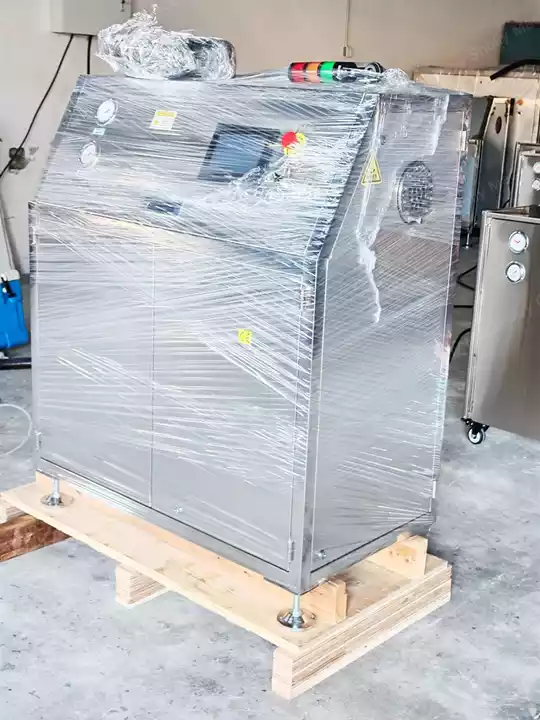
- Dry ice pellet machine
- Insulated storage systems
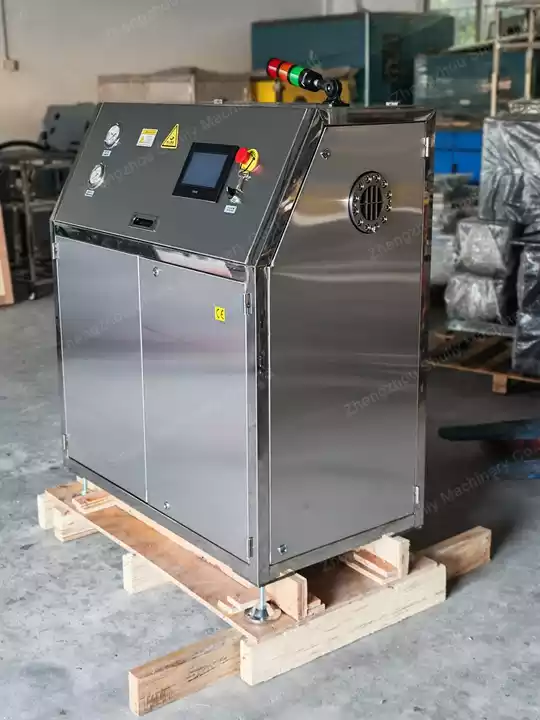
Among these, the pellet machine is the core component that determines output capacity, pellet density, and operational efficiency.
Factors Affecting Dry Ice Pellet Quality
To optimize the dry ice production process, consider:
- CO₂ purity – Higher purity results in better pellets
- Compression pressure – Affects density and durability
- Mold size – Determines pellet application
- Machine stability – Impacts continuous production
Choosing the right machine configuration is crucial for consistent performance.

How to Choose the Right Dry Ice Pellet Machine?
When selecting equipment, businesses should evaluate:
- Production capacity (kg/h)
- Pellet size requirements
- Automation level
- Energy efficiency
- After-sales support
For startups, a medium-capacity machine is often ideal, while large-scale operations require fully automated systems.
Request a Quote for Dry Ice Pellet Machines
Looking for a high-efficiency solution for your business?
We provide customized dry ice pellet machine solutions tailored to your production needs, including:
- Capacity recommendations
- Machine configuration plans
- Technical support and installation guidance
Contact us today to get a free quotation and professional advice on building your dry ice production line.