
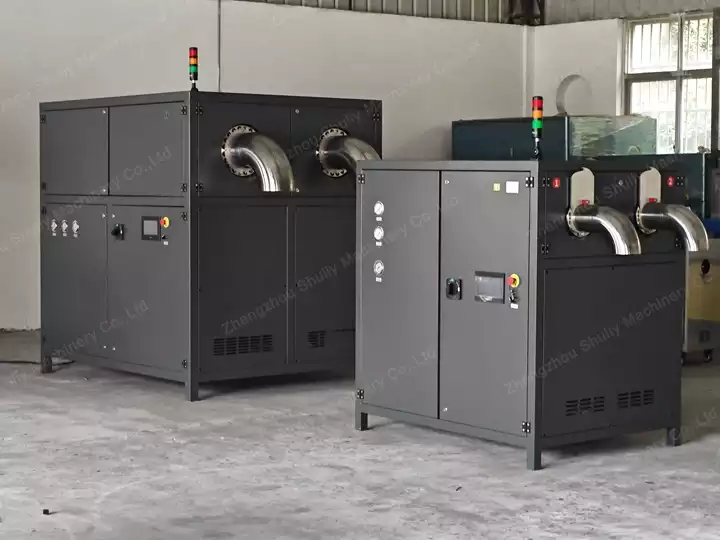
Starting a dry ice pellet production business can be an opportunity for entrepreneurs serving industrial cleaning, food preservation, pharmaceutical transportation, and cold chain logistics markets. Dry ice pellets are widely used for dry ice blasting and temperature-sensitive product transportation. With the right dry ice pelletizer, a reliable liquid CO₂ supply, and suitable production facilities, businesses can produce dry ice pellets for local industrial customers.
Research the Dry Ice Pellet Market
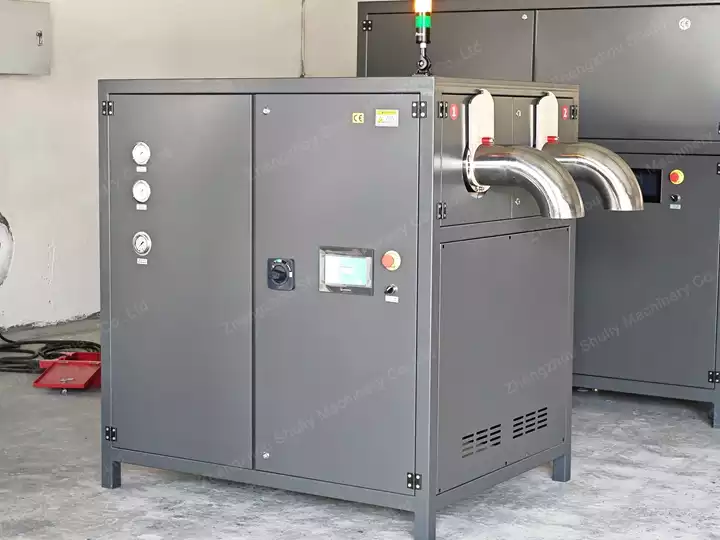
Before investing in a dry ice pellet production business, research the demand in your target market. Identifying potential customers helps you estimate production capacity and choose the right equipment.
Common customers include:
- Industrial cleaning companies: They use dry ice pellets for cleaning machinery, molds, production lines, and other equipment.
- Food processing businesses: They use dry ice for cooling and temperature control in specific applications.
- Cold chain logistics companies: They require dry ice to maintain low temperatures during the transportation of certain products.
- Pharmaceutical distributors and laboratories: They may use dry ice for temperature-sensitive shipments.
- Dry ice blasting equipment suppliers: They need a stable supply of dry ice pellets for their customers.
Check local competitors, delivery distances, pellet specifications, and customer purchasing frequency before deciding on your investment.
Choose the Right Dry Ice Pelletizer
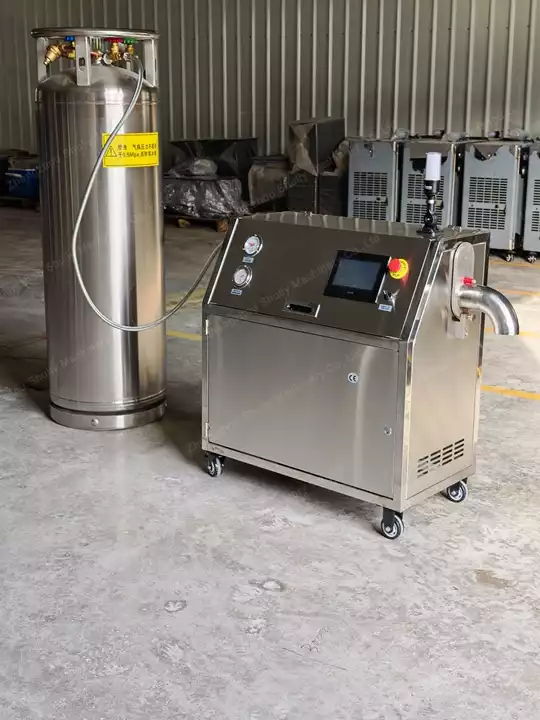
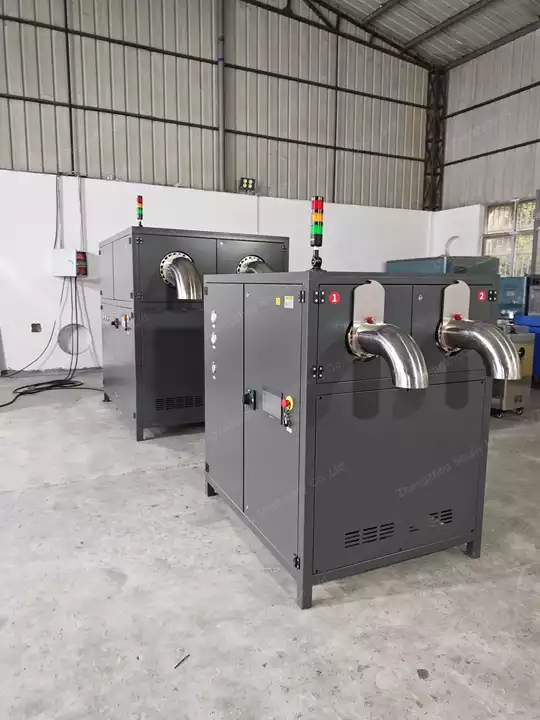
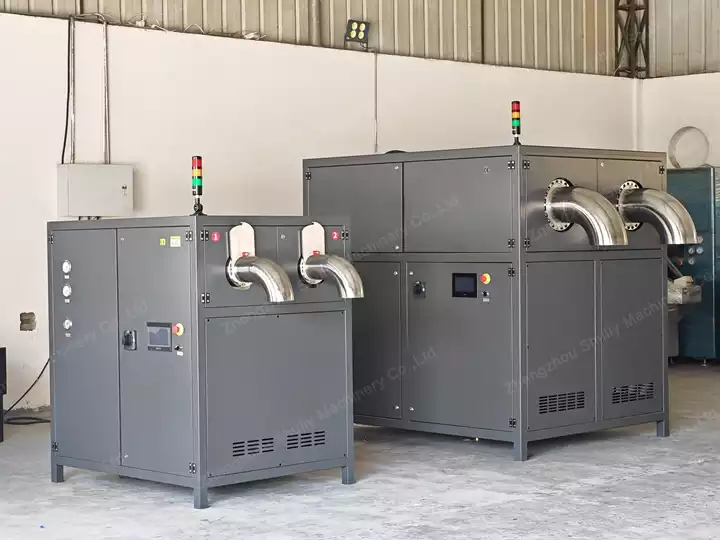
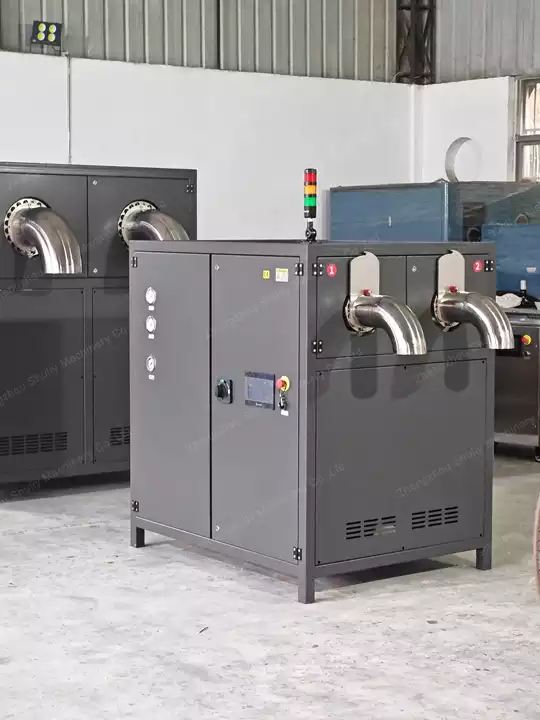
ก เครื่องอัดเม็ดน้ำแข็งแห้ง is the core machine in a dry ice pellet production business. It converts liquid carbon dioxide (CO₂) into solid dry ice pellets through a process involving snow formation and pellet extrusion.
When selecting a dry ice pellet making machine, consider the following factors.
Production capacity: Estimate how many kilograms of dry ice you expect to sell per day. Choose a machine that can meet current demand while allowing reasonable room for future growth.
Pellet diameter: Common industrial pellet sizes include 3 mm and 16 mm, although available specifications depend on the machine model. Smaller pellets are often used for dry ice blasting, while larger pellets may be suitable for other applications.
Liquid CO₂ consumption: Compare the machine’s CO₂ consumption with its output. Conversion efficiency affects raw material costs and overall profitability.
Power requirements: Confirm the required voltage, frequency, phase, and installed power before purchasing equipment.
Maintenance and technical support: Ask the supplier about spare parts, operating instructions, maintenance requirements, and after-sales service.
Request detailed specifications and a production demonstration before choosing a dry ice pelletizer.
Prepare the Raw Materials and Production Facility
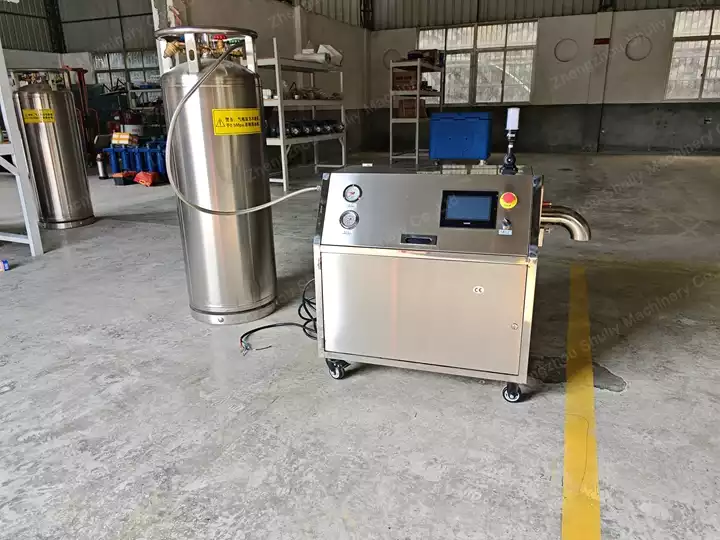
Liquid carbon dioxide is the primary raw material for producing dry ice pellets. You need a reliable CO₂ supplier and a storage and supply system compatible with the production equipment.
Your facility should provide:
- A stable liquid CO₂ supply and suitable storage equipment.
- Sufficient electrical power for the production machine.
- Adequate ventilation to prevent dangerous CO₂ accumulation.
- Space for equipment installation, operation, and maintenance.
- Suitable containers for storing and transporting dry ice pellets.
Dry ice sublimates directly from a solid into a gas, so it gradually loses mass during storage. Insulated containers can slow this process, but they cannot eliminate product loss. Plan your production schedule around customer orders to reduce waste.
Understand the Dry Ice Pellet Production Process
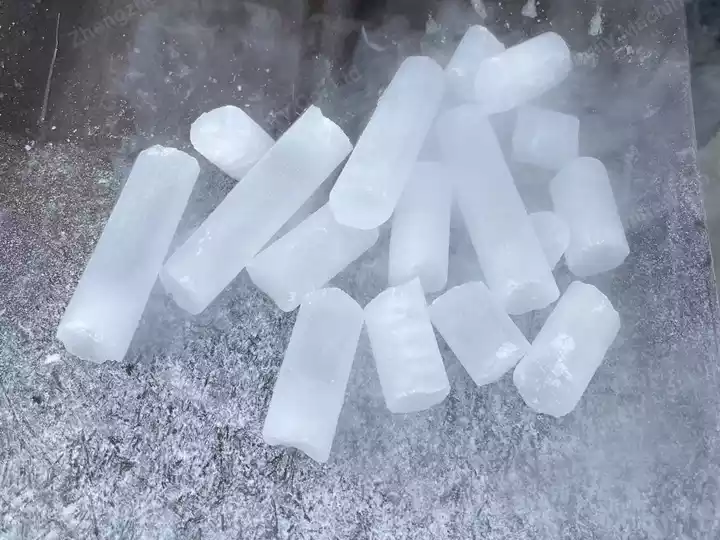
The production process generally involves the following steps:
- Supply liquid CO₂: Deliver liquid carbon dioxide to the machine through the appropriate supply system.
- Form dry ice snow: The liquid CO₂ expands under controlled conditions, producing carbon dioxide snow.
- Compress and extrude: The machine compresses the snow and forms it into pellets through a die.
- Collect the pellets: Collect the finished dry ice pellets using suitable handling equipment.
- Package and deliver: Place the pellets in insulated containers and deliver them to customers as quickly as practical.
The exact process and operating parameters vary by machine model. Follow the manufacturer’s instructions to maintain stable production and reduce material loss.
Calculate Your Startup Costs and Profitability
Before starting a dry ice pellet production business, prepare a financial plan covering both initial investment and operating expenses.
Typical cost categories include:
| Cost item | What to consider |
|---|---|
| เครื่องอัดเม็ดน้ำแข็งแห้ง | Machine model, output, and configuration |
| CO₂ supply system | Liquid CO₂ storage, supply equipment, and installation |
| Facility | Rent, electrical installation, and ventilation |
| Packaging and delivery | Insulated containers, transport, and delivery distance |
| Operating expenses | CO₂ consumption, electricity, labor, and maintenance |
| Compliance and safety | Required inspections, training, and protective equipment |
To estimate your potential profit, calculate the production cost per kilogram and compare it with your actual selling price.
Estimated gross profit = Sales revenue − Direct production costs
Include CO₂ losses, dry ice sublimation, delivery expenses, equipment depreciation, and other operating costs in your full business plan. Actual profitability depends on local prices, machine performance, production utilization, and customer demand.
Follow Dry Ice Production Safety Requirements
Dry ice production involves extremely cold materials and high-pressure CO₂ systems. Carbon dioxide can also displace oxygen in enclosed spaces, creating a serious asphyxiation hazard.
Important precautions include:
- Install appropriate ventilation and CO₂ monitoring systems based on a professional risk assessment.
- Use insulated gloves and eye protection when handling dry ice.
- Never store dry ice in airtight containers because sublimation can cause pressure buildup.
- Follow the equipment manufacturer’s instructions for pressure systems and maintenance.
- Train workers in emergency procedures and safe handling practices.
Check applicable local occupational safety, pressure equipment, fire safety, and environmental requirements before beginning operations.
Find Customers and Expand Your Business
Once production is stable, focus on building a reliable customer base. Contact industrial cleaning companies, food processing businesses, cold chain suppliers, and dry ice distributors in your region.
Offer consistent pellet specifications, dependable delivery schedules, and clear product information. For regular customers, consider scheduled production and recurring supply agreements.
As demand grows, you can evaluate additional production capacity, improved packaging, or a more efficient delivery network.
Contact Us for Dry Ice Pellet Production Solution
Starting a dry ice pellet production business requires market research, appropriate equipment, a reliable liquid CO₂ supply, and effective cost control. Choosing the right dry ice pelletizer is an important step toward establishing a stable production operation.
If you are planning to enter the dry ice market, compare machine capacity, pellet sizes, CO₂ consumption, and technical support before investing. Contact a professional dry ice equipment supplier to discuss your production requirements and find a suitable machine for your business.